
What to expect from online therapy with a clinical psychologist
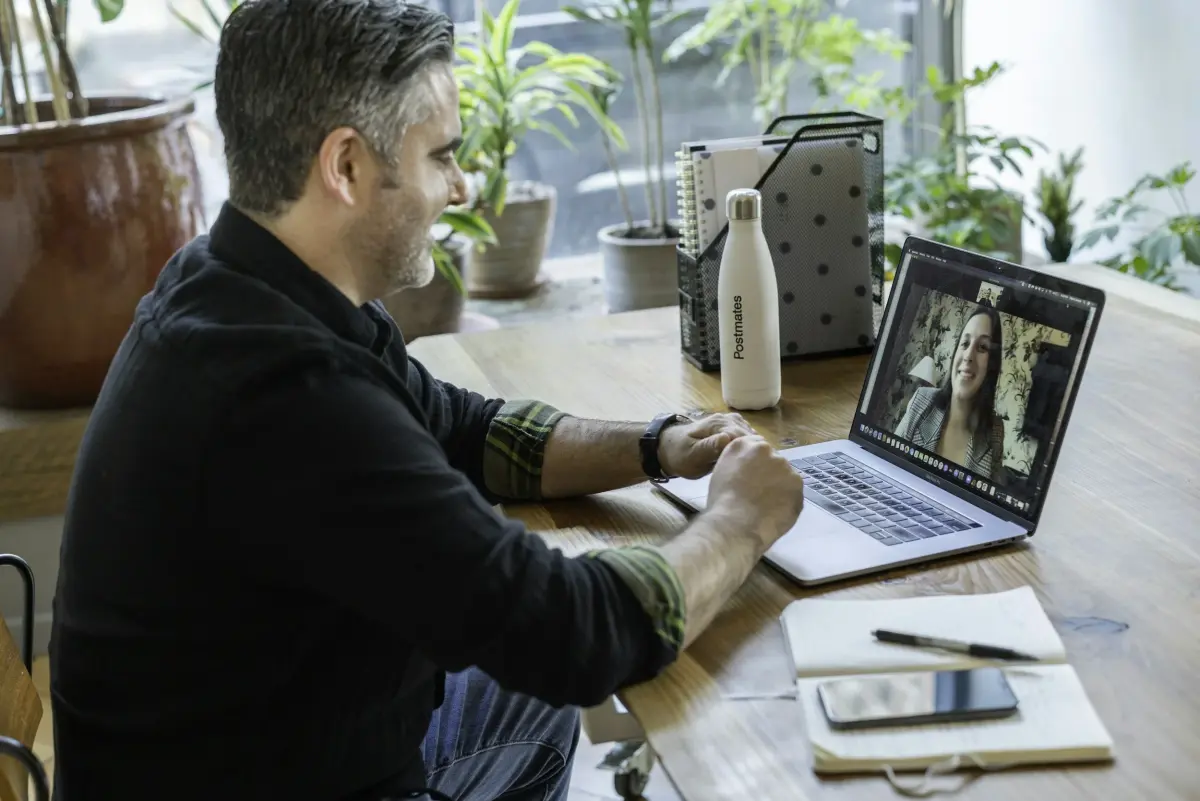

Starting therapy can feel like a big step, and doing it online might bring even more questions. Will it feel the same as in-person sessions? How do you know if it will help? And what if you’ve never done therapy before?
At The Online Psychologists, we understand how important it is to feel informed, reassured, and confident when beginning therapy. Our aim is to offer professional, personalised private therapy online that’s easy to access from anywhere in the UK, without compromising on quality.
Here’s what you can expect when you begin online therapy with a Clinical Psychologist through our service.
1. Careful clinical matching from the start
Before therapy even begins, everything you tell us is reviewed personally by Dr Rachel Whatmough, a Clinical Psychologist and the director of The Online Psychologists.
We take time to understand what’s going on for you, what kind of therapy might be most effective, and which psychologist in our team is best placed to help.
Rather than assigning you to the first available therapist, we take the time to hand-match you to someone with the right therapeutic approach, clinical experience, and style, someone who’s a good fit for you.
2. Evidence-based, formulation-led therapy
All of our psychologists are trained to doctorate level and work using evidence-based therapies such as CBT (Cognitive Behavioural Therapy), EMDR (Eye Movement Desensitisation and Reprocessing), ACT (Acceptance and Commitment Therapy), CFT (Compassion-Focused Therapy), and integrative approaches that draw on more than one model.
We work with a wide range of issues, including:
- Anxiety, panic, OCD, social anxiety
- Depression and low mood
- Trauma and PTSD
- Grief and bereavement
- Burnout and overwhelm
- Insomnia and sleep difficulties
- Low self-esteem
- Adjustment to illness (including cancer and chronic pain)
- Postnatal and perinatal mental health concerns
- Support for adults with ADHD and other neurodivergence (we don’t offer ADHD assessment or diagnosis)
Rather than following a fixed protocol, your therapy will be tailored to you. We work collaboratively to understand your experiences, what might be maintaining your difficulties, and how we can support you to move forward.
3. Secure, flexible online sessions
All therapy sessions are delivered online via secure GDPR compliant video call, usually weekly, at a time agreed with your psychologist. Many people worry that online therapy might feel less personal or less effective, but research shows that online therapy can be just as successful as face-to-face therapy for a wide range of mental health concerns (Backhaus et al., 2012).
Clients often find online sessions to be:
- More convenient (no travel time, more flexibility)
- More comfortable (done from your own space)
- More accessible (particularly helpful if you live in a rural area or have limited mobility)
Whether you’re a busy professional, a parent with limited time, or someone who finds travelling to appointments difficult, online therapy allows you to prioritise your mental health without added stress.
4. Consistency and connection
At The Online Psychologists, we believe in building real, consistent therapeutic relationships. You won’t be passed around between therapists or matched through an algorithm. Once you’ve been paired with the right Clinical Psychologist for you, you’ll have continuity and a space that’s just for you each week.
5. Therapy for adults
We work with adults aged 18 and over who live in the UK, whether you’re dealing with burnout, anxiety or something else. If you’re looking for help for a child or teenager, your GP is a good place to start.
A personal, professional approach
Every client is different. That’s why everything you tell us is read by a clinical psychologist, not sorted by an app. Our focus is always on high-quality psychological care, delivered in a way that works for you.
If you’re considering therapy, we’re happy to talk. Tell us what’s bringing you here and take the first step towards expert, compassionate support wherever you are in the UK.
References
Backhaus, A., Agha, Z., Maglione, M. L., Repp, A., Ross, B., Zuest, D., … & Thorp, S. R. (2012). Videoconferencing psychotherapy: a systematic review. Psychological Services, 9(2), 111-131.
Our blog posts are written to share general information and ideas. They are not personal advice and don't replace an assessment with a qualified clinician who knows your situation. We can't accept responsibility for decisions made based on this content alone. If you would like support or are worried about your mental health, please speak to your GP or get in touch with us.
We are not a crisis service. If you need urgent help, call NHS 111 (option 2), contact your GP, or call Samaritans free on 116 123, any time. In an emergency, call 999. In Scotland, call NHS 24 on 111. In Northern Ireland, call Lifeline on 0808 808 8000.