
Best breathing exercises for panic attacks: a step-by-step guide
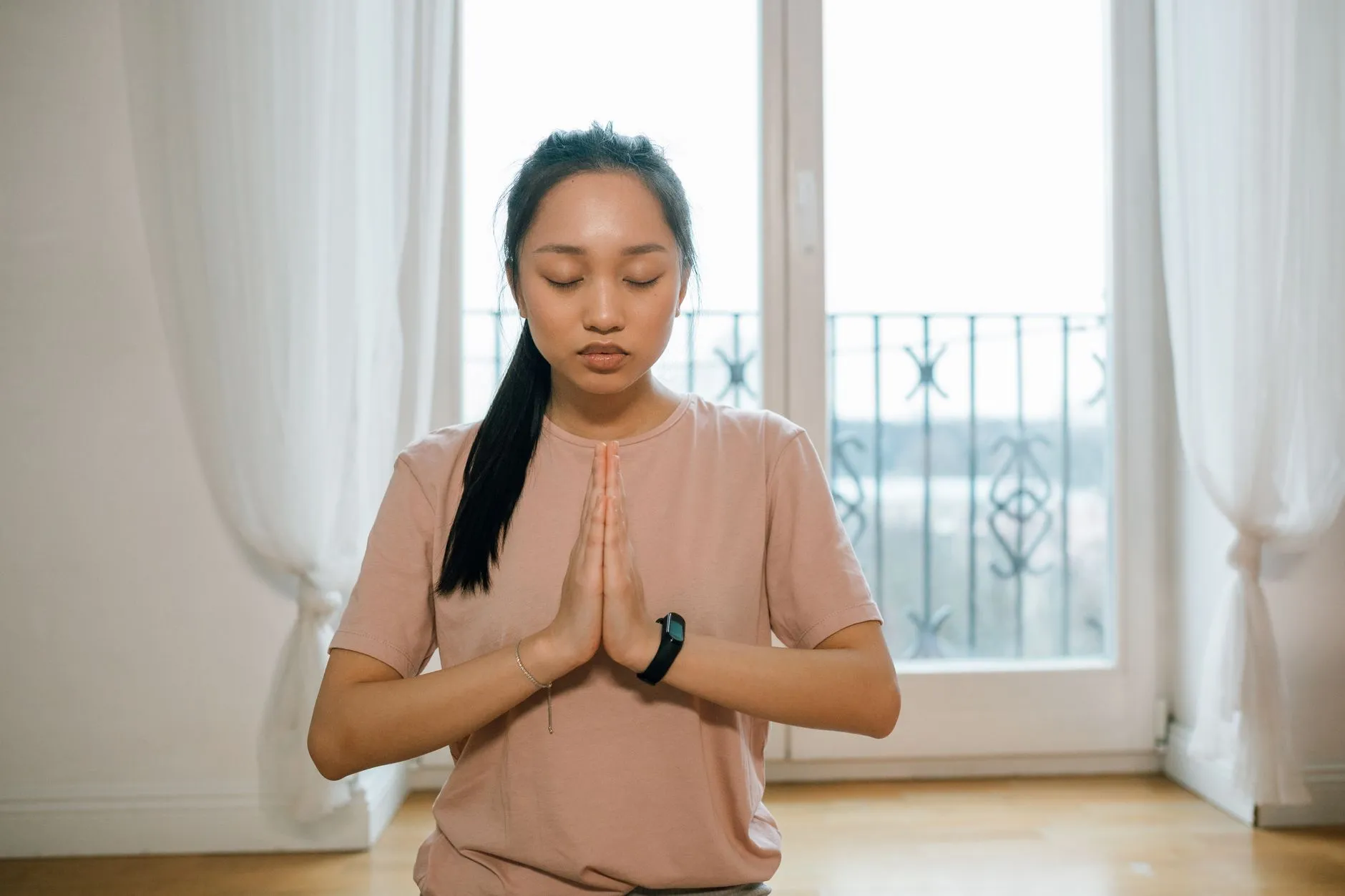

There is a particular kind of fear that comes with a panic attack: your heart races, your chest tightens, and your mind tells you something is seriously wrong. In that moment, being told to “just breathe” can feel almost insulting. Yet breathing exercises can help many people calm the body’s panic response. This guide walks through three well-researched techniques, explains the physiology behind them, and looks honestly at their limits.
If you have chest pain or breathlessness for the first time, or you are not sure whether it is panic, get medical advice first. Call NHS 111, or 999 in an emergency.
Why breathing helps: the physiology of panic
Panic attacks are driven by the sympathetic nervous system, the body’s fight-or-flight response. When it activates, breathing becomes fast and shallow, often from the upper chest. This shallow breathing lowers carbon dioxide levels in the blood, which can cause dizziness, tingling and a sense of unreality, symptoms that frequently make panic feel even more frightening.
Slow, controlled breathing works because it directly engages the parasympathetic nervous system, particularly through stimulation of the vagus nerve. This helps restore a healthier balance of oxygen and carbon dioxide and signals to the body that it is safe. The NHS suggests breathing exercises as one self-help strategy for panic and anxiety symptoms, alongside psychological therapies such as CBT, which NICE recommends for panic disorder.
Diaphragmatic breathing
Also known as belly breathing, this technique targets the shallow chest breathing typical of panic.
- Sit or lie down comfortably, placing one hand on your chest and one on your abdomen
- Breathe in slowly through your nose for about four seconds, feeling your abdomen rise while your chest stays relatively still
- Pause briefly
- Exhale slowly through your mouth for six seconds, feeling your abdomen fall
- Repeat for two to five minutes
The longer exhale is important. It maximises the calming, parasympathetic effect and gives your body a clear physical cue that the danger has passed.
Box breathing
Box breathing, sometimes used by military and emergency personnel, is valued for its simplicity and rhythm, which can help anchor an anxious mind.
- Inhale through your nose for four seconds
- Hold your breath for four seconds
- Exhale slowly for four seconds
- Hold at the bottom for four seconds
- Repeat the cycle four to eight times
The equal counts create a predictable pattern that gives the mind something structured to focus on, which can interrupt the spiral of catastrophic thoughts that often accompanies panic.
Physiological sighing
This technique, studied in a 2023 Stanford trial, involves a double inhale followed by a long exhale.
- Take a deep breath in through your nose
- At the top of that breath, take a second, shorter sharp inhale through your nose
- Exhale slowly and fully through your mouth
- Repeat for one to three minutes
This pattern maximally reinflates the lungs’ air sacs and offloads carbon dioxide efficiently, which some early research suggests may reduce physiological arousal more quickly than other breathing patterns. It can feel unusual at first, so it is worth practising when calm before relying on it during a panic attack.
Making the exercises work in the moment
- Practise daily when you are calm. Breathing techniques are skills, and they work best under stress when they are already familiar
- Do not aim for a “perfect” breath count. If four seconds feels too long, start with two or three
- Pair breathing with grounding, such as noticing five things you can see, to keep attention out of your head and in your body
- Expect some initial resistance. Slowing your breathing when your body wants to breathe fast can feel counterintuitive at first
When breathing exercises are not enough
Breathing techniques are a useful first step. In CBT for panic we also check whether breathing has become a way of trying to stop panic at all costs, because relying on it can keep the fear of panic going. Breathing exercises are not a substitute for treatment when panic attacks are frequent, distressing or beginning to shape your life, such as avoiding certain places or situations. If you notice this pattern, it may indicate panic disorder, agoraphobia, or an underlying difficulty such as anxiety or PTSD. NICE recommends CBT as an effective, evidence-based treatment for panic disorder, often helping people understand and gradually change the thought patterns and avoidance behaviours that keep panic going. Many people also find that panic sits alongside broader stress or burnout, which benefits from a more comprehensive approach.
If panic attacks are becoming a regular part of your life, you do not need to manage them alone. At The Online Psychologists, our team offers evidence-based, HCPC-regulated support for panic online, with flexible appointments that fit around your life. To find out how therapy could help, tell us what’s bringing you here.
Our blog posts are written to share general information and ideas. They are not personal advice and don't replace an assessment with a qualified clinician who knows your situation. We can't accept responsibility for decisions made based on this content alone. If you would like support or are worried about your mental health, please speak to your GP or get in touch with us.
We are not a crisis service. If you need urgent help, call NHS 111 (option 2), contact your GP, or call Samaritans free on 116 123, any time. In an emergency, call 999. In Scotland, call NHS 24 on 111. In Northern Ireland, call Lifeline on 0808 808 8000.