
Best mental health apps (UK): a clinical psychologist's honest review
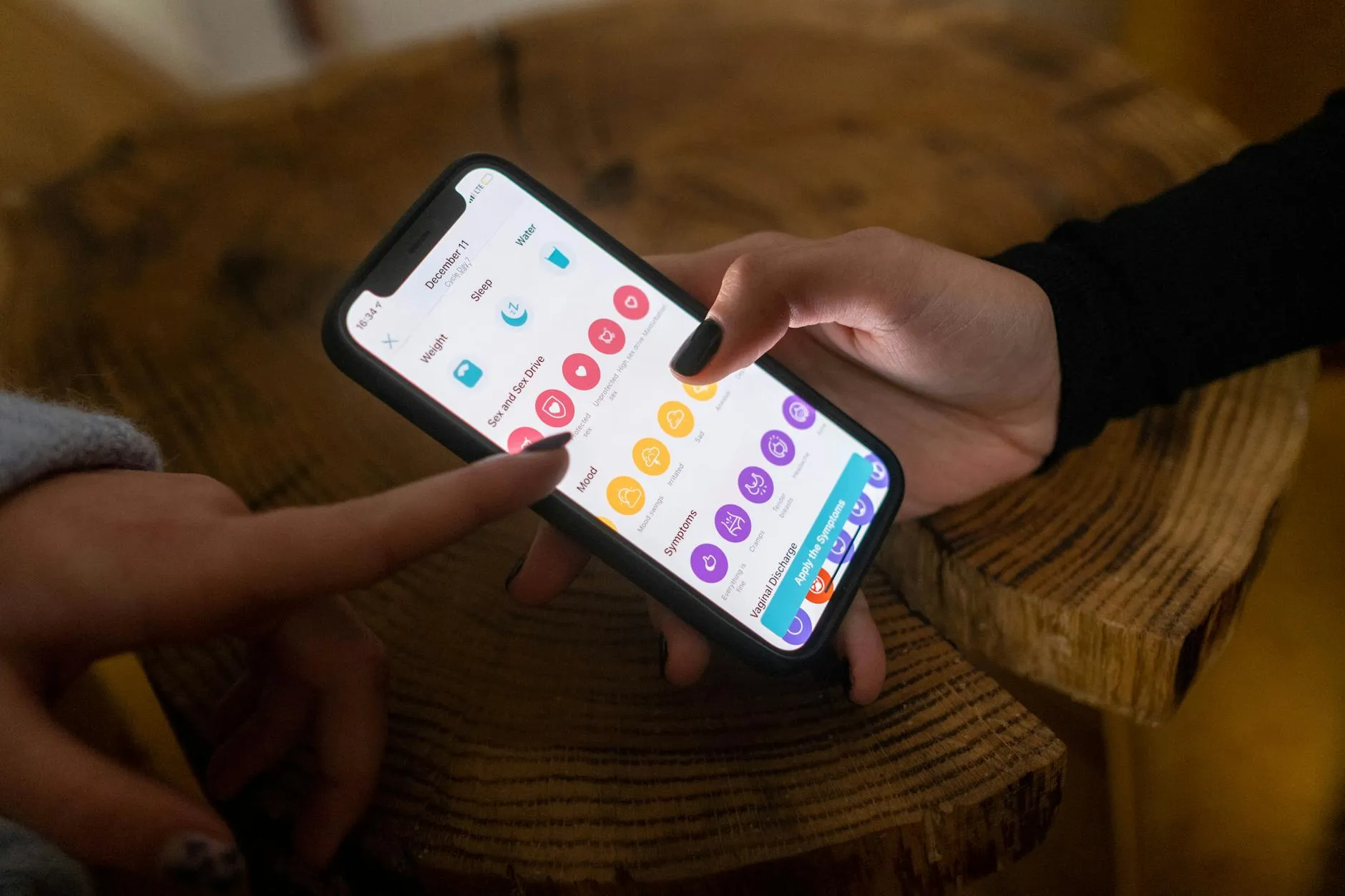

Mental health apps are everywhere. A quick search on the App Store returns hundreds of options promising to reduce anxiety, improve sleep and lift your mood. Some are genuinely useful. Many are not.
As a clinical psychologist, I am often asked which apps are worth downloading. The honest answer is that no app replaces professional support, but several can be a helpful addition to it. The best ones are grounded in evidence, straightforward to use, and realistic about what they can and cannot do.
Here are six I would recommend, along with what to expect from each.
1. Headspace
Headspace is one of the most established mindfulness apps available. It offers guided meditations, breathing exercises, sleep sounds and short courses on topics like stress and focus.
What works well: The structured “basics” course is a sensible starting point for anyone new to mindfulness. Sessions are short (three to ten minutes), which makes it easier to build a consistent habit. The sleep content is also genuinely good.
Where it falls short: Mindfulness is a skill, not a cure. Headspace is excellent for building awareness and relaxation, but it will not address the thought patterns or behaviours that maintain conditions like OCD or panic disorder. If you are experiencing persistent difficulties, it works best alongside therapy rather than instead of it.
Best for: General stress reduction, building a mindfulness practice, improving sleep.
Choosing the Best Apps for Mental Health
When looking for the best apps for mental health, it is helpful to identify what you want to achieve. Some apps focus on mindfulness and relaxation to manage daily stress. Others use cognitive behavioural techniques to help reframe negative thoughts or build new habits.
Not all apps are designed for every condition. For example, a meditation app may help with general relaxation but might not be suitable for managing clinical conditions like OCD or severe anxiety. It is important to choose an app that aligns with your specific goals and needs.
An app can be a useful tool to support your wellbeing between sessions of therapy. However, they are most effective when used as a supplement to professional care rather than a replacement for it.
2. Calm
Calm covers similar ground to Headspace but leans more heavily into relaxation and sleep. Its “Sleep Stories”, narrated by well-known voices, have become something of a cultural moment.
What works well: The sleep content is extensive and genuinely soothing. The “Daily Calm” feature offers a fresh ten-minute session each day, which helps with consistency. There is also a decent library of guided meditations for anxiety and emotional regulation.
Where it falls short: Much of the content sits behind a subscription, and the free tier is limited. Like Headspace, it is primarily a relaxation tool. It will not teach you to challenge anxious thoughts or work through trauma. For clinical-level insomnia, CBT for insomnia (CBT-I) delivered by a therapist remains the NICE-recommended first-line treatment.
Best for: Sleep difficulties, winding down, daily relaxation.
3. My Possible Self
This is a UK-developed app that takes a more structured, therapeutic approach. It uses modules based on cognitive behavioural therapy (CBT) principles, covering anxiety, depression, sleep, stress and low self-esteem.
What works well: The CBT-based content is well designed and goes beyond simple meditation. Mood tracking helps you notice patterns over time, and the interactive exercises are practical rather than passive. It was developed with input from clinical professionals, and it shows.
Where it falls short: Self-guided CBT has limitations. Without a therapist to help you identify blind spots, challenge avoidance, or adapt techniques to your specific situation, progress can plateau. It is most useful as a complement to professional support, or as a starting point while you wait for therapy.
Best for: Structured self-help for mild to moderate anxiety, low mood, and stress.
4. MoodMission
MoodMission takes a different approach. Rather than offering courses or meditation libraries, it asks you to describe how you are feeling and then suggests a short, evidence-based “mission” to try. These range from breathing exercises and grounding techniques to behavioural activation tasks.
What works well: The personalised recommendations make it feel responsive rather than generic. The missions are quick and practical, which is helpful when you are in the middle of a difficult moment. It draws on CBT and acceptance and commitment therapy (ACT) principles.
Where it falls short: The missions are brief by design, so they work best for managing moments of distress rather than addressing underlying patterns. If anxiety or depression is significantly affecting your daily life, the app is better used as one tool among several, not as a standalone approach.
Best for: In-the-moment coping strategies, building a toolkit of quick techniques.
5. Happify
Happify uses a structured, science-based approach to building emotional resilience. Its activities draw on CBT, positive psychology and mindfulness research, organised into themed “tracks” covering stress, negative thinking, relationships and confidence.
What works well: The gamified format keeps things engaging without trivialising the content. Each track builds progressively, which gives a sense of direction that many apps lack. There is a decent evidence base behind the approach, with several published studies showing improvements in subjective wellbeing for regular users. The focus on building positive habits, rather than just managing symptoms, sets it apart from purely clinical tools.
Where it falls short: The positive psychology emphasis means it is better suited to general wellbeing than to clinical-level difficulties. If you are experiencing significant depression or anxiety, the upbeat framing can feel mismatched. The free version is quite limited, and the subscription is one of the more expensive options. It also leans American in its language and cultural references, which can feel slightly off for UK users.
Best for: Building emotional resilience, shifting negative thinking patterns, general wellbeing.
6. DistrACT
DistrACT is a free app developed with NHS clinicians and people with lived experience of self-harm and suicidal thoughts. It provides information, self-help strategies, and direct links to crisis support services.
What works well: It is discreet, free, and does not require registration. The content is sensitive and well written, with clear pathways to emergency support. For someone in distress who is not ready to speak to someone, it provides an accessible first step.
Where it falls short: This is a safety and signposting tool, not a therapeutic intervention. It is designed to help in moments of crisis, not to replace ongoing professional support for self-harm or suicidal ideation.
Best for: Crisis support, self-harm coping strategies, finding help.
A note on apps and therapy
Mental health apps can be a useful part of looking after yourself, particularly for building habits like mindfulness, tracking your mood, or having coping strategies to hand when you need them. But they have clear limits.
Apps cannot adapt to your specific history, notice patterns you are not yet aware of, or provide the kind of relational support that therapy offers. They cannot assess risk or adjust a treatment plan in the way a therapist can.
The combination often works well. Several of our clients use apps between sessions to practise techniques worked on in therapy, whether that is a breathing exercise from Headspace, mood tracking through My Possible Self, resilience activities from Happify, or grounding missions from MoodMission.
If you are finding that self-help tools are not quite enough, or if you have been managing on your own for a while and things are not shifting, it may be worth exploring professional support. All our sessions are delivered online by HCPC-registered clinical psychologists, and we can usually offer a first appointment within a few days.